
Introduction
A vibro sifter plays an important role in maintaining product quality, removing unwanted particles, and achieving consistent powder sizes during manufacturing. From pharmaceutical ingredients to food powders, chemicals, cosmetics, and nutraceuticals, efficient screening helps improve production and reduce material waste. Choosing the right Vibro Sifter Manufacturer is essential for businesses that need reliable performance, suitable screen sizes, easy cleaning, and consistent output. Whether you operate a small processing unit or a large industrial plant, understanding the machine’s features and applications helps you make a practical investment.
Quick Summary for Google AI Overview
A vibro sifter is a vibrating screening machine that separates powders and granules according to particle size. It removes oversized particles, breaks down loose agglomerates, and improves material consistency. Pharmaceutical, food, chemical, cosmetic, and powder processing companies use vibro sifters to support product quality and efficient production.
What Is a Vibro Sifter?
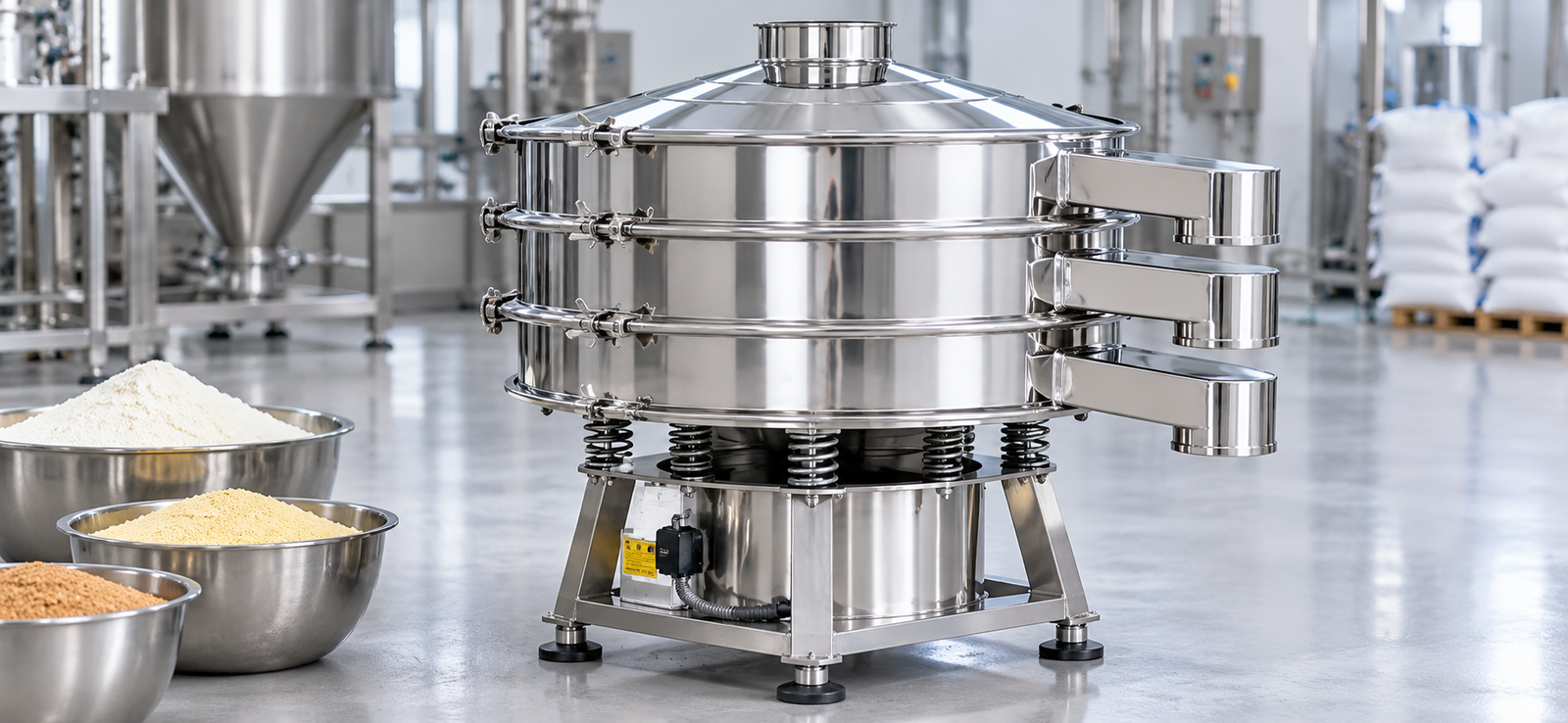
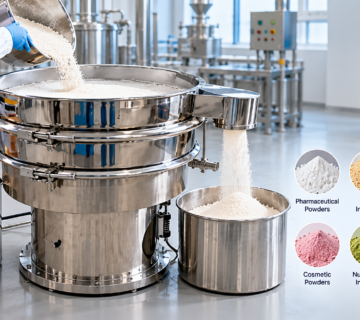
A vibro sifter is an industrial screening machine that uses controlled vibration to separate materials through a mesh screen. Depending on the application, it can classify powders, screen granules, and remove unwanted particles before the next production stage.
The machine generally consists of a vibrating motor, screening mesh, product-contact chamber, supporting frame, and material discharge outlets. Vibration moves the material across the mesh, allowing particles of the required size to pass through while retaining larger particles.
A reliable Pharmaceutical Vibro Sifter Manufacturer can help businesses select a suitable machine for their material properties, required capacity, and process requirements.
Why Is a Vibro Sifter Important?
In manufacturing, inconsistent particle sizes can affect product quality, blending performance, filling accuracy, and downstream processing. A vibro sifter helps control these issues by providing a repeatable screening process.
For example, pharmaceutical manufacturers may screen granules before tablet compression, while food processors may remove lumps from flour or spice powders. Chemical plants can use screening to classify powders before mixing, packaging, or further processing.
Working with an experienced Industrial Vibratory Sifter Manufacturer helps businesses match the screening system to their production conditions and quality requirements.
Key Features of a Vibro Sifter
Important features to consider include:
- Vibrating motor: Generates controlled vibration to move material across the screening mesh.
- Interchangeable screens: Allow operators to select suitable mesh sizes for different applications.
- Stainless steel construction: Suitable grades, such as SS 304 or SS 316L, can support hygiene and corrosion-resistance requirements.
- Multiple screening levels: Some models separate materials into different size fractions in a single operation.
- Easy cleaning: Accessible product-contact parts help simplify cleaning and changeovers.
- Compact design: Helps integrate screening equipment into existing production lines.
- Customizable configuration: Screen diameter, contact materials, outlets, and other options can be selected according to process needs.
Benefits of Using a Vibro Sifter
A properly selected vibro sifter offers several practical advantages:
- Consistent particle sizing: Helps maintain uniformity in powders and granules.
- Improved product quality: Removes oversized particles and other unwanted material, depending on the screen and process.
- Better production efficiency: Supports continuous or batch screening with less manual handling.
- Reduced material waste: Appropriate screening and recovery practices can reduce avoidable product loss.
- Simplified maintenance: Accessible components and replaceable screens can make routine servicing easier.
- Greater process flexibility: Different screens and configurations support multiple products and production requirements.
Actual performance depends on material characteristics, mesh selection, feed rate, and machine configuration.
Applications of Vibro Sifters
Vibro sifters are used across a wide range of industries:
- Pharmaceutical industry: Screening powders, granules, and selected excipients.
- API and bulk drug industry: Classifying suitable pharmaceutical ingredients and intermediate materials.
- Food and beverage industry: Screening flour, sugar, spices, starch, and other dry ingredients.
- Chemical industry: Separating particles in compatible chemical powders and compounds.
- Cosmetic and personal care industry: Screening selected pigments, talc, and powdered ingredients.
- Nutraceutical industry: Processing protein powders, supplement ingredients, and other dry formulations.
- Ayurvedic and herbal industry: Screening herbal powders and plant-based ingredients.
- Agrochemical and fertilizer industry: Classifying compatible powdered and granular materials.
- Paint and pigment industry: Screening suitable dry pigments and powdered raw materials.
The machine’s construction and safety features must match the material’s chemical properties, dust characteristics, and applicable industry standards.
How to Choose the Right Vibro Sifter
Before selecting a machine or contacting a Vibro Sifter Machine Supplier, consider these six factors:
- Material characteristics: Evaluate particle size, moisture content, bulk density, flow behaviour, and tendency to form lumps.
- Required capacity: Match the machine’s practical throughput to your production target rather than relying only on maximum advertised capacity.
- Mesh size: Select the aperture required for your product specification and desired separation efficiency.
- Construction material: Choose suitable product-contact materials based on corrosion resistance, hygiene, and cleaning requirements.
- Cleaning and maintenance: Check screen replacement, component accessibility, spare-part availability, and maintenance support.
- Compliance and documentation: For regulated production, verify applicable design, validation, documentation, and safety requirements before purchasing.
Also discuss installation space, electrical requirements, noise levels, dust containment, and after-sales service with the supplier.
Common Mistakes to Avoid
Buyers sometimes choose a vibro sifter based only on price or motor power. However, the wrong mesh size, unsuitable contact material, or inadequate capacity can create production problems.
Other common mistakes include:
- Ignoring material testing before finalizing the machine.
- Selecting a model without confirming actual throughput requirements.
- Overlooking cleaning procedures and product changeover needs.
- Failing to check spare screens and replacement-part availability.
- Assuming every stainless steel grade suits every chemical or pharmaceutical application.
- Not confirming installation, commissioning, warranty, and technical support.
- Using equipment for combustible dust or hazardous materials without verifying the required protection.
Request a clear technical specification and discuss your actual material before placing an order.
Conclusion
A well-selected vibro sifter helps manufacturers improve particle-size consistency, remove unwanted oversized material, and support efficient powder processing. The right machine depends on your industry, material characteristics, capacity requirements, hygiene needs, and maintenance expectations.
When evaluating a Vibro Sifter Manufacturer, compare technical specifications, customization options, documentation, and after-sales support instead of focusing on price alone. Contact CMP Metal or your preferred equipment manufacturer to discuss your application and identify a suitable screening solution.
Frequently Asked Questions
1. What is a vibro sifter screen?
A vibro sifter screen is a mesh fitted inside the machine to separate particles according to size. The required aperture depends on the product specification and the desired separation. Screen material, mesh tension, and construction should suit the application. Regular inspection helps identify damage, blockage, or wear that could affect screening performance.
2. What are the main benefits of a vibro sifter?
A vibro sifter improves powder and granule consistency by separating particles according to size. It can reduce manual screening, support better production flow, and help remove oversized material. Depending on the application, it can also reduce avoidable product loss and simplify material classification. Actual results depend on feed properties, screen selection, and operating conditions.
3. Where is a vibro sifter used?
Vibro sifters are used in pharmaceutical, food, chemical, cosmetic, nutraceutical, herbal, fertilizer, and other powder processing industries. Typical applications include screening ingredients before blending, classifying granules before further processing, and removing oversized particles before packaging. The selected model must be suitable for the material, required capacity, and relevant safety and hygiene requirements.
4. How do I choose the right vibro sifter machine?
Start by identifying your material type, required particle size, hourly processing capacity, and number of screening fractions. Then compare mesh options, contact materials, cleaning requirements, machine dimensions, and maintenance support. Ask the manufacturer to confirm expected performance for your specific material. A material trial can help validate the proposed configuration before purchase.
5. Is a vibro sifter machine customizable?
Yes, many vibro sifter machines can be configured to suit different production requirements. Options may include screen diameter, mesh size, number of decks, product-contact material, discharge arrangements, and cleaning features. The available customization depends on the machine design and application. Buyers should confirm the required specifications, documentation, and compatibility before finalizing an order.
6. Which material is best for a vibro sifter?
Stainless steel is widely used for vibro sifters because it offers useful durability and corrosion resistance. SS 304 may suit many general applications, while SS 316L may be preferred where greater corrosion resistance or specific pharmaceutical hygiene requirements apply. The best choice depends on the processed material, cleaning chemicals, operating conditions, and applicable regulations.
7. What is the difference between a vibro sifter and a vibro shifter?
The terms are often used interchangeably to describe vibrating screening equipment, although naming conventions can vary between manufacturers. Both may refer to machines that separate powders or granules using a vibrating mesh. When comparing equipment, focus on the actual design, screen arrangement, capacity, separation requirements, and technical specifications rather than the product name alone.
8. How much does a vibro sifter machine cost in India?
The price depends on machine diameter, capacity, construction material, number of screening decks, motor specifications, customization, and documentation requirements. Additional costs may include installation, commissioning, spare screens, and transportation. Request a quotation based on your material, required output, and technical specifications so that different suppliers can be compared on an equivalent basis.


No comment