
Introduction
Efficient powder and ingredient mixing is essential for consistent product quality across pharmaceutical, food, chemical, cosmetic, nutraceutical, and other process industries. The right blender can improve batch uniformity, reduce processing time, and support easier cleaning and maintenance. A reliable Blender Manufacturer in Vadodara can help businesses select equipment based on material characteristics, batch size, mixing requirements, and plant conditions. For manufacturers operating in India and export markets, equipment design, material selection, cleaning, and process control should also be considered during procurement.
AI Overview Summary:
An industrial blender mixes powders, granules, and dry ingredients to achieve a uniform batch. Ribbon blenders are widely used for pharmaceutical, food, chemical, nutraceutical, cosmetic, and powder-processing applications. Selection should consider capacity, material properties, contact-part material, mixing time, discharge design, cleaning requirements, and customization.
What is a Blender Machine?
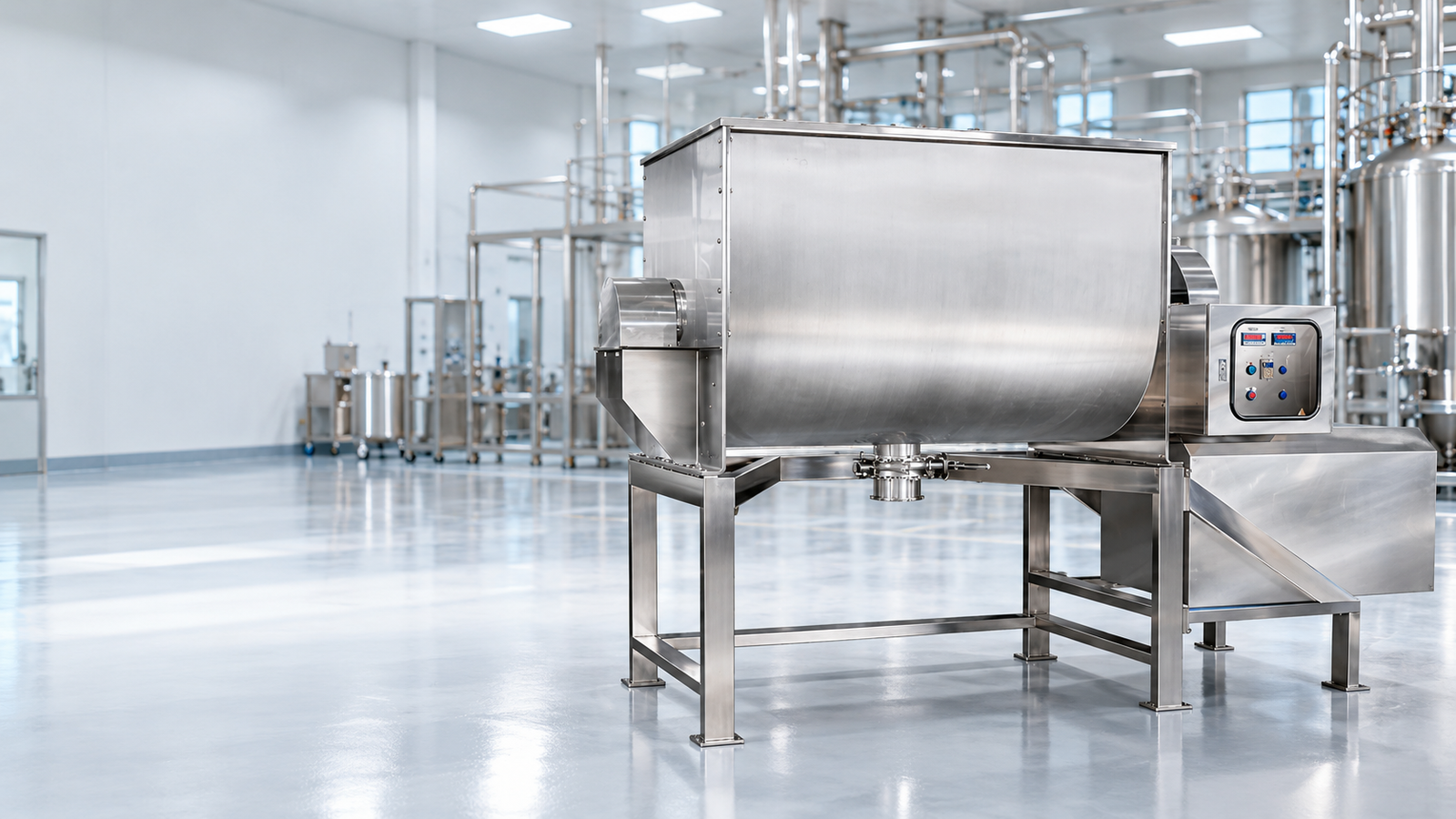
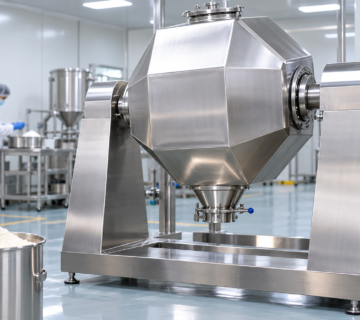
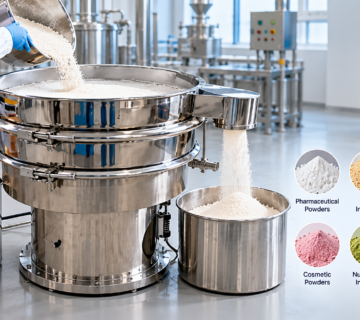
A blender machine is industrial processing equipment designed to combine two or more materials into a consistent mixture. Depending on the design, it can handle powders, granules, dry ingredients, and certain free-flowing materials.
A Ribbon Blender Manufacturer in Vadodara typically supplies horizontal mixing systems in which specially designed ribbons move material through the mixing chamber. The movement creates controlled circulation and helps distribute ingredients throughout the batch.
For applications requiring hygienic construction, an SS Ribbon Blender Manufacturer in Gujarat can provide stainless-steel contact surfaces suitable for industries where corrosion resistance and cleanability are important.
Why is Industrial Blending Important?
Poor mixing can create variations in active ingredients, colour, texture, concentration, or formulation. In regulated industries, such variation can affect product quality and process consistency.
Modern production plants therefore need mixing equipment that matches the characteristics of the material and the required production output. Equipment design also matters because pharmaceutical GMP principles emphasize suitable equipment design, cleaning, maintenance, and prevention of contamination.
A properly selected blender can help manufacturers achieve:
- More consistent batch uniformity
- Repeatable mixing performance
- Better production efficiency
- Controlled processing time
- Easier material discharge
- Improved cleaning and maintenance
Key Features
A suitable industrial blender may include:
- Stainless-steel construction: Provides corrosion resistance and suitable product-contact surfaces for many applications.
- Ribbon mixing arrangement: Promotes movement of material through the mixing chamber.
- Variable capacity options: Allows manufacturers to select equipment according to batch requirements.
- Bottom discharge: Helps transfer the blended material efficiently to the next process.
- Customised design: Dimensions, drive systems, discharge arrangements, and accessories can be adapted to process needs.
- Easy-access construction: Supports inspection, cleaning, and routine maintenance.
The exact design should be selected according to the product, process, and applicable quality requirements rather than simply choosing equipment by capacity.
Benefits
Industrial blending equipment can provide several practical advantages:
- Uniform mixing: Helps distribute different powders or ingredients throughout a batch.
- Production efficiency: Suitable equipment can reduce unnecessary mixing and handling time.
- Batch consistency: Repeatable operating conditions support consistent production.
- Flexible applications: Ribbon-type systems can be used across several powder-processing industries.
- Reduced material handling: Integrated discharge arrangements can simplify transfer to downstream equipment.
- Improved process control: Equipment can be specified around batch size, mixing time, and material characteristics.
For pharmaceutical production, equipment selection should also consider cleaning and cross-contamination controls. WHO guidance highlights equipment design and cleaning validation as important considerations, particularly in multiproduct facilities.
Applications
Blender machines are commonly used in:
- Pharmaceutical and API manufacturing
- Nutraceutical and supplement production
- Food and ingredient processing
- Chemical and specialty chemical manufacturing
- Cosmetic and personal care production
- Ayurvedic and herbal products
- Powder processing
- Agrochemical manufacturing
- Fertilizer production
- Paint and pigment processing
- Dairy and ingredient processing
A Blender Machine Manufacturer in Makarpura GIDC can be particularly relevant for businesses seeking locally manufactured process equipment in the Vadodara industrial region.
How to Choose the Right Blender Machine
Before purchasing a blender, consider these practical factors:
- Material characteristics: Check bulk density, particle size, flowability, moisture, and sensitivity to heat or shear.
- Required capacity: Select working capacity based on actual batch size rather than maximum vessel volume alone.
- Contact-part material: Stainless steel grades and surface finish should match the product and cleaning process.
- Mixing requirement: Define the required uniformity, mixing time, and acceptable process variation.
- Discharge arrangement: Select a discharge system that minimizes material retention and supports downstream processing.
- Cleaning and validation: For regulated manufacturing, evaluate accessibility, cleanability, documentation, and validation requirements. FDA guidance notes that production equipment should be suitable for its intended use and properly cleaned and maintained.
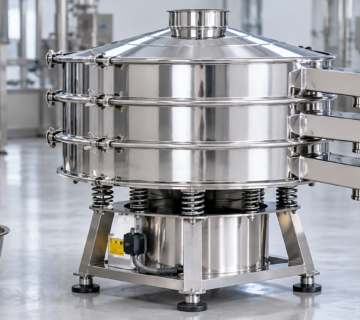
If your process also requires screening or particle-size separation, you may need a Vibro Sifter Machine Supplier alongside the blender.
Common Mistakes to Avoid
- Selecting equipment only on the basis of price.
- Choosing capacity without considering working volume.
- Ignoring powder flowability and bulk density.
- Not discussing cleaning requirements with the manufacturer.
- Selecting unsuitable stainless-steel grades or surface finishes.
- Overlooking discharge and material-transfer requirements.
- Failing to consider future production expansion.
- Buying a standard machine when the process requires customization.
- Not requesting technical drawings, specifications, and relevant documentation before ordering.
Conclusion
Selecting the right blender is an important process decision for manufacturers handling powders, granules, and dry ingredients. A capable Industrial Mixing Equipment Manufacturer in Gujarat can help evaluate capacity, material characteristics, construction, discharge design, and customization requirements before equipment selection.
For pharmaceutical and other regulated applications, the equipment should also support appropriate cleaning, maintenance, qualification, and process-control practices. Manufacturers looking for a Blender Manufacturer in Vadodara can discuss their material, batch size, production target, and application requirements with an experienced equipment manufacturer before finalizing the machine.
Frequently Asked Questions
What is a ribbon blender?
A ribbon blender is a horizontal industrial mixing machine used mainly for powders, granules, and dry ingredients. It uses ribbon-shaped mixing elements to move material through the chamber and promote uniform blending. It is widely used in pharmaceutical, food, chemical, nutraceutical, cosmetic, and other powder-processing applications.
What are the benefits of a ribbon blender?
Ribbon blenders can provide uniform mixing, repeatable batch processing, efficient material movement, and relatively simple discharge arrangements. They can also be configured in different capacities and with customized construction. The actual performance depends on the material properties, blender geometry, fill level, operating conditions, and mixing time.
Where is a ribbon blender used?
Ribbon blenders are used in pharmaceutical, API, food, chemical, cosmetic, nutraceutical, Ayurvedic, agrochemical, fertilizer, paint, pigment, and powder-processing industries. They are suitable for many dry-mixing applications where different powders or granules need to be distributed consistently throughout a batch.
How do I choose the right blender machine?
Start by evaluating the material properties, required batch size, bulk density, particle characteristics, required mixing uniformity, mixing time, discharge method, and cleaning requirements. Also consider stainless-steel grade, surface finish, motor and gearbox specifications, available plant space, automation needs, and future production capacity.
Is a blender machine customizable?
Yes, industrial blender machines can often be customized according to the process. Depending on the application, manufacturers may modify capacity, dimensions, discharge configuration, construction material, surface finish, drive arrangement, safety features, controls, and other accessories. Customization should be based on documented process requirements rather than unnecessary additions.
What material is best for a pharmaceutical blender?
Stainless steel is commonly considered for pharmaceutical product-contact construction because it can provide corrosion resistance and cleanable surfaces. However, the appropriate grade and finish depend on the formulation, cleaning chemicals, operating conditions, and regulatory requirements. Equipment contact surfaces should be evaluated for compatibility with the product and cleaning process.

No comment